
The use of steel in contemporary buildings is extensive due to its strength, durability and ability to design. Nevertheless, although steel is non-combustible, it becomes weak under high temperatures. This is why fireproofing of steel structure is important to provide safety and adherence to the requirements of buildings. The knowledge of fire protection and its corresponding compatibility with building codes are important issues that require architects, engineers, contractors, and property owners to understand how fire protection works.
The reasons why Steel should have fire protection
A great number of individuals tend to believe that steel does not burn and, therefore, it does not need fire protection. As a matter of fact, the loss of strength of steel can reach 50 percent at approximately 550 o C, and at higher temperatures it can completely fail. This structural integrity may result in the collapsing of part or the whole of the building in the event of a fire.
The goal of structural steel fire protection is to slow such a loss of strength through insulation of steel members by high temperatures. Fireproofing systems offer precious time to the occupants to leave the premises and the emergency rescue teams to manage the fire, because they reduce the speed of steel heating.
Ordinary Steel Structure Fireproofing Techniques
The following are some of the known ways of ensuring the required fire ratings with regard to fire resistance steel structures:
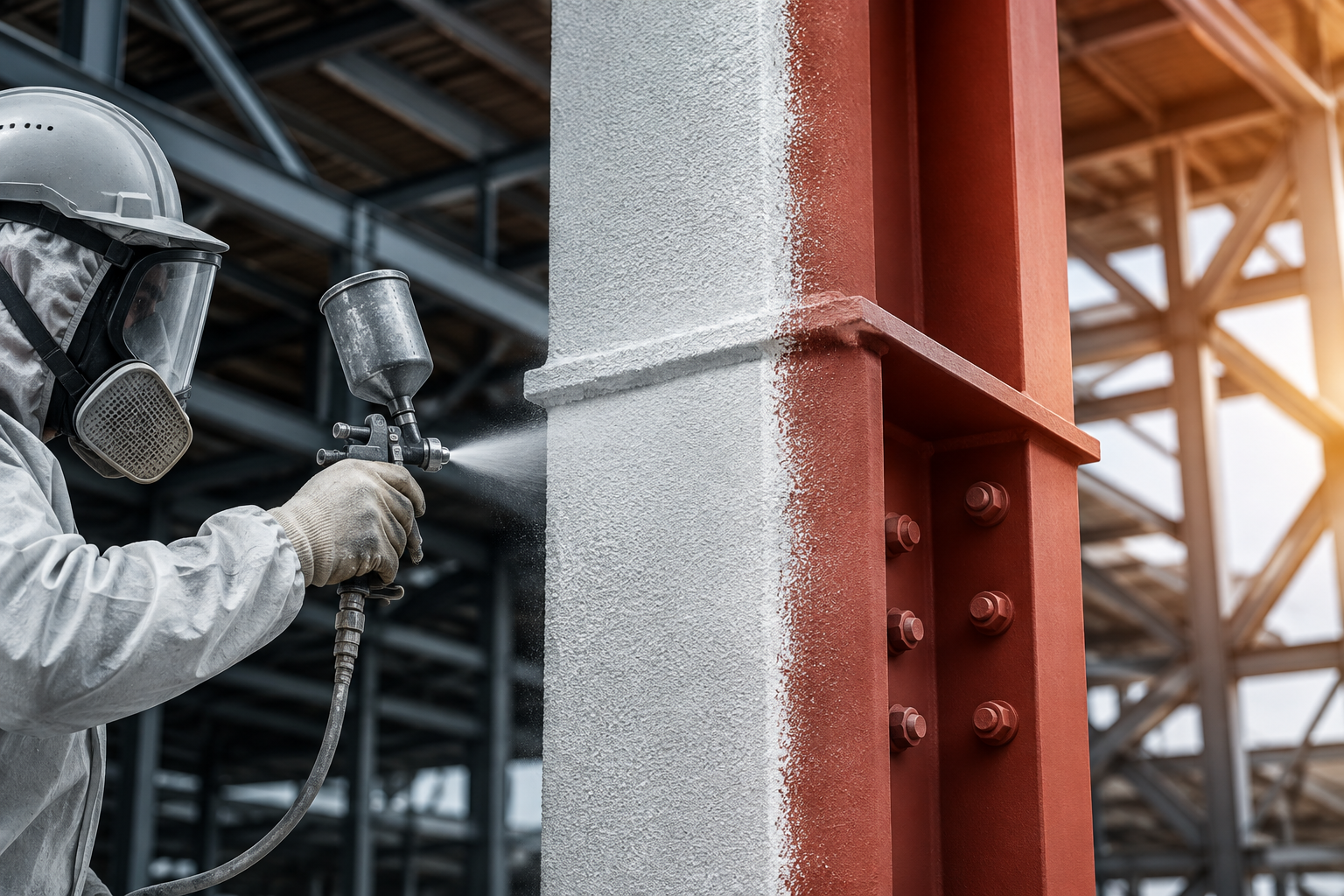
1. Spray-Applied Fire-Resistive Materials (SFRM)
They are sprayed on beams and columns of steel. They are affordable and are widely applied in commercial buildings, parking buildings, and industrial buildings.
2. Intumescent Coatings
When the intumescent paints come into contact with heat they swell and create a thick and insulating char layer that coats the steel. These are the perfect coating in situations where appearance is significant as in the case of exposed architectural steel.
Fire Resistant Boards and Encasement Systems.
Protective systems based on gypsum boards, calcium silicate boards or encapsulation with concrete are very strong and impact resistant. These commonly find applications in risky or busy settings.
The type of building, the fire rating required, the environment, and the budget are some of the factors that will influence the choice of each method.
Learning about Building Codes and Fire Ratings
The standards of achievement needed depend on the following aspects:
· Building occupancy type
· Height and floor area
· Physical proximity to neighboring buildings.
· Fire load and usage
The fireproofing of the steel structures should be tested and certified as per the accepted guidelines. To comply with the fire protection system, designers should make sure that the fire systems are installed as per approved specifications and manufacturer instructions.
Inability to comply with the requirements of codes may lead to the failure of inspection, legal liabilities, high insurance rates, and extreme safety hazards.
Practical Concerns of Implementation
Regarding fire protection of structural steel, put into consideration the following:
Make coordination early between fire protection experts and structural engineers.
Take into consideration exposure to the surroundings, e.g. moisture or corrosive surroundings.
Preparation of the surface the surface must be prepared before the application of the coatings.
Keep regular checks and maintenance to check up on system integrity.
Regulatory approval also requires proper documentation of fireproofing materials, thickness measurements and records of inspections.
Steel is unsurpassed in terms of the structural benefits, yet unless it is fireproofed, it will be prone to extreme heat. Good steel structure fireproofing makes steel fireproofing structures act as expected during times of emergencies. Through knowing fire ratings, code specifications and protection methods available, building professionals will be able to create safe, compliant and strong buildings that save lives and investments.
Read Also: What Is a Fire Stop Barrier System and Why Is It Critical for Building Safety?


Write a comment ...